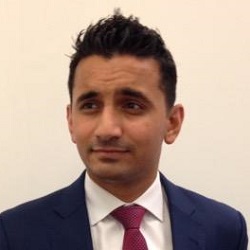
Modhwadia: Plea on 30 April
The five men charged by the Serious Fraud Office with various offences following the collapse of Axiom Ince will stand trial in February 2027.
Only one of the five, chief financial officer Muhammad Ali, entered a plea – of not guilty – at yesterday’s hearing at Southwark Crown Court, with the others set to do so on 30 April.
Pragnesh Modhwadia – the 41-year-old chief executive and sole owner of Axiom Ince – and Mr Ali, 42, are charged with two counts of fraud by abuse of position. They are alleged to have misused client funds and exposed thousands of the firm’s clients to losses.
Solicitor Shyam Mistry, 35, was a director and head of personal injury and medical negligence. He and Mr Modhwadia are also charged, alongside chief technology officer Rupesh Karawadra, 40, and vice-president of IT Jayesh Anjaria, 46, with conspiring to conceal, destroy or dispose of documents relevant to the Solicitors Regulation Authority (SRA) investigation into the firm.
All five are also charged with conspiring to mislead the SRA using false documents.
The trial, which is estimated to last between eight and ten weeks, was fixed for 15 February 2027.
James Hynes KC, prosecuting, said: “At this stage not all pleas are known and not all the issues in the case have been identified. It is certainly a rough and ready estimate.”
There was some concern that the trial date would clash with Ramadan, between 7 February and 8 March 2027.
Her Honour Judge Sally-Ann Hales said accomodations could be made, but added: “I’m going to stick to 15 February.” This was the earliest date the court could list the trial for.
“Defence statements in your case are due by 30 April. It is important that in your defence statements you set out your defence in sufficient detail. If you don’t it can count against you at your trial.”
All five men were released on bail.