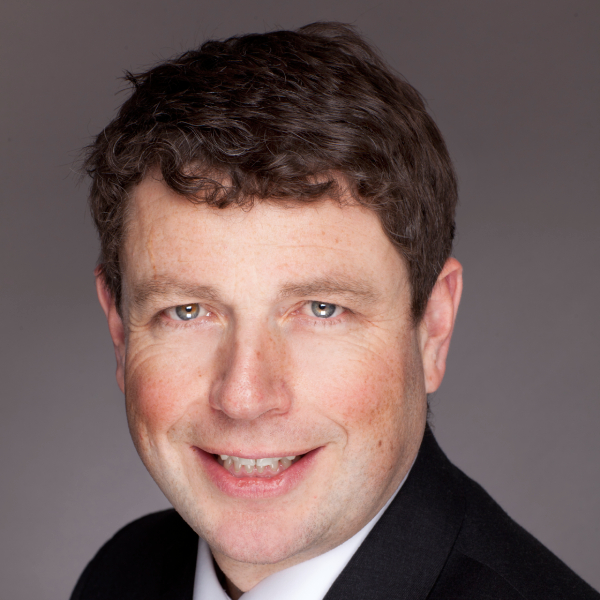
 Richard Harwood, Director of Serious Injury at Minster Law [1], reflects on what enables lawyers to do their best work and why the structure around serious injury practice matters more than ever.
After more than 30 years working exclusively for claimants in personal injury, Richard Harwood has a clear view on what separates a strong serious injury practice from an average one. Technical ability matters, of course, but so do the conditions in which lawyers are asked to apply it. Here, he shares his perspective on what experienced serious injury lawyers increasingly want from a role, and why Minster Law has built its team the way it has.
What do experienced serious injury lawyers increasingly look for from a modern practice?
For most experienced serious injury lawyers, it goes well beyond title or salary. They are usually looking at the quality of the work, the level of trust placed in them, the support around them, and whether the environment genuinely allows them to do the job properly.
Serious injury work is demanding in a different way to many other areas of practice. It is not simply about progressing a file efficiently. You are often dealing with life-changing injuries, complex futures, family impact, rehabilitation, settlement structure and long-term client needs. Good lawyers want to know they are somewhere that understands that and is set up accordingly.
What makes serious injury work easier or harder to do well?
A lot comes down to the operating environment. The quality of the lawyer clearly matters, but the structure around that lawyer matters too.
If case numbers are too high, if billing pressures drive the wrong behaviours, or if lawyers are weighed down with administration, it becomes much harder to give complex cases the time and thought they deserve. On the other hand, if lawyers have access to the right work, manageable caseloads, good technical support and the freedom to exercise judgement properly, the quality of the work improves quite naturally. That is especially true in serious injury, where the right outcome often depends on patience, judgement and a willingness to pursue the right course rather than the quickest one.
How is Minster Law’s approach different?
One of the biggest differences is the nature of the work itself. Because of Minster Law’s long-standing relationships in the motor sector, our Serious Injury team handles a substantial volume of complex, high-value cases, with a breadth of injury types that gives lawyers real depth of exposure. That includes everything from serious orthopaedic injuries to amputations, brain injury, chronic pain and spinal cord work.
We have also structured the team so that lawyers can build their expertise progressively. There are clear value bands, and within that there is scope to develop real specialist depth. For some lawyers, that means broad serious injury experience. For others, it can mean purely specialising in one area of injury type.
That combination of scale, complexity and specialist progression is quite powerful for lawyers who want to keep developing.
You mention the environment around the lawyer. What does that look like in practice at Minster Law?
It means giving people the space and support to focus on the case properly.
Our lawyers work in small teams and handle relatively limited numbers of cases, which gives them more time to explore the legal, practical and rehabilitative issues that really matter. It also means they can build stronger relationships with clients and families, which is a very important part of serious injury practice.
We also remove billing targets for our Serious Injury case handlers. That is a deliberate part of our model. It allows lawyers to focus on what is right for the client, rather than what is needed to satisfy an internal target.
Alongside that, the wider support structure is important. Operational managers and the wider team provide support across all aspect of administrative work, allowing our lawyers to spend more their time on legal strategy, client care and achieving the right outcome.
Why does that matter so much in serious injury?
Because the consequences of getting it right or wrong are significant.
In serious injury cases, decisions around rehabilitation, expert evidence, interim support, future needs and settlement structure can have a very long tail. These are not cases that should be rushed or approached too mechanically. Lawyers need time to think, challenge, plan and sometimes hold their nerve.
They also need the confidence to pursue the right outcome for the client, whether that means pushing harder on rehabilitation, thinking carefully about PPOs or provisional damages, or taking a firmer position on indemnity or liability issues where necessary. A good serious injury model should support that kind of judgement, not crowd it out.
How important is shared expertise in a serious injury team?
It is hugely important. No matter how experienced you are, serious injury work is better when expertise is shared rather than siloed.
At Minster Law, our lawyers work closely with one another and with senior specialists across the department. Technical discussion is part of the culture. More complex and higher-value cases benefit from close peer input and oversight, and lawyers are encouraged to bring their own style and judgement while also learning from colleagues around them.
That makes the environment more supportive, but it also improves standards. Good serious injury work is rarely about one individual operating in isolation. It is about strong individual capability sitting inside a team that shares knowledge, experience and ideas well.
What kind of lawyer tends to thrive in an environment like Minster Law?
Usually someone who is ambitious about the quality of their work rather than simply their next title.
The lawyers who tend to thrive here are people who want to keep deepening their expertise, who care about getting the detail right, and who value being trusted to think for themselves. They tend to enjoy complex work, but they also understand the human side of serious injury and the importance of building confidence with clients and families.
For the right person, that is what makes serious injury practice rewarding. You are not just managing a case. You are helping shape the client’s recovery, security and future in a meaningful way.
What makes a serious injury team somewhere good lawyers want to stay?
In my view, it is when lawyers feel they can do their best work there.
That usually comes down to a combination of factors: the right work, the right support, the right level of autonomy, and a culture where expertise is respected and shared. If those things are in place, people tend to stay and develop because they can see a long-term future for themselves.
That is what we have worked hard to build at Minster Law. We want to create an environment where experienced serious injury lawyers can handle complex, life-changing cases with the care, judgement and support those cases deserve. For lawyers looking for that kind of practice, that is often what stands out.
Minster Law is hiring Associates to join its Serious Injury team. In this role, you will manage a caseload of complex serious injury claims from initial strategy through to resolution, taking the lead on liability, quantum, rehabilitation, interim payments and settlement strategy. You will work closely with clients and their families, as well as counsel, medical experts and other specialists, while also providing direction, oversight and mentoring to junior colleagues. The role offers the opportunity to contribute to high standards of technical quality, collaboration and client service. The position is available on a remote, London or Wakefield basis.
Apply here [2]