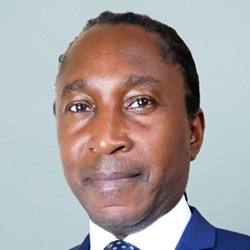
Thomas: BSB acting with purpose
Nearly half of staff at the Bar Standards Board (BSB) are now from ethnic minority backgrounds but it is looking at targets to improve the diversity of its management.
A review of its internal anti-racist strategy showed that the proportion of ethnic minority staff rose from 41% at the end of 2023 to 47% a year later.
At management level, where 26% are from minority backgrounds, three percentage points lower than a year earlier, the regulator has “agreed in principle the identification and setting of targets for diversity”.
However, there was “significant progression” in the percentage of managers from Black backgrounds, rising from 9% to 13%.
“Following a review of other regulators we will set our own targets for diversity at management level. We wish to ensure we meet or exceed the make-up of other regulators.”
The regulator launched the three-year internal anti-racist strategy last summer, together with a year 1 action plan, highlighting its “ambitions to become an anti-racist organisation, leading by example for the profession”.
A progress report published this week with the year 2 action plan said the “greatest achievement by far has been the engagement and support of colleagues at the BSB”, who had given time to advance diversity and inclusion.
Other achievements included the senior leadership team agreeing “a race equality objective” to support staff engagement in diversity learning events and uptake of learning and development opportunities, 101 people attending compulsory race relations training, and amending the board code of conduct to include a commitment to anti-racism.
The BSB said it had “identified that white colleagues are slightly more likely to be promoted to the grade above than colleagues from minoritised backgrounds”.
It would “continue to monitor the numbers and backgrounds of internal moves and promotions yearly to note future trends”.
The regulator committed, in the new action plan, to improving take-up of learning and development by staff from diverse backgrounds and identifying improvements to data collection at the application, shortlist and offer stage of recruitment.
It was also exploring an anonymous reporting tool to make sure staff “have confidence to and are supported to report instances of racism”.
Professor Leslie Thomas KC, BSB board sponsor for the strategy, commented: “I remain firmly committed to the work of dismantling structural racism within the legal profession. This progress report reflects the BSB’s continued efforts not just to speak about equality, but to act with purpose.
“The legal profession must be a place where all individuals, regardless of background, can thrive, be respected, and feel they belong. That cannot happen unless we remain vigilant and committed to rooting out systemic bias wherever it persists.
“I welcome this report as a measure of how far we have come, and a reminder of the distance we still need to travel. We remain resolute in our mission to embed anti-racist practice into every facet of our regulatory work.”
Mark Neale, director general of the BSB, added: “Our progress shows our real commitment to promote a diverse and inclusive workplace.
“As we move forward, in partnership with the profession, to set out clear expectations of chambers and employers in promoting equality of opportunity, it is particularly important that we are seen to practise what we preach.”
In separate news, the Law Society has apologised for organising its economic crime conference next month for the first day of Rosh Hashanah, the Jewish new year, after it was criticised on social media.
A Law Society spokeswoman said: “We are sorry for the unintentional oversight on the timing of the economic crime conference, which clashes with Rosh Hashanah. We make every effort to ensure that Jewish and other key religious dates are considered when setting conferences and events and will continue to do so in the future.”
She said delegates would be send recordings of the conference within a week of the live event.