BSB: streamlined application process
Barristers have been slow to adopt new entity models, but take-up is “increasing significantly” since the application process became more streamlined, according to the Bar Standards Board (BSB).
Since the BSB was authorised to regulate organisations owned and managed by barristers and other lawyers in April, it has received 156 applications from individuals or groups looking to change their status, and granted 33 applications.
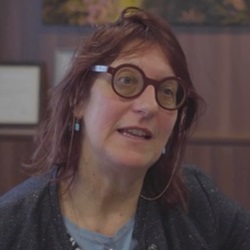
Cliodhna Judge, the BSB’s head of supervision and authorisation, told delegates at the Bar Council’s annual conference on Saturday that the vast majority of applications have been from individuals looking to form individual corporate entities, either within or outside their existing chambers structure.
She admitted that take-up had been “slow”, but said: “It is a new regime for the BSB. We are only seven months in and we didn’t know what the uptake would be.”
The regulator, she said, had used a ‘one size fits all’ application, which those looking to take advantage of the new business structures available, complained was “too complicated”.
The process, said Ms Judge, has since been “streamlined and updated” and even though the last Budget removed many of the tax advantages of incorporation, the number of applications has been “increasing significantly”.
She added: “We are in active and quite progressive discussions with a number of chambers who are giving significant thought to incorporating themselves as an entity and we are working closely with them.”
Derek Sweeting QC of 7 Bedford Row and chairman of the Bar Council’s legal services committee, told delegates he was unsurprised that barristers had so far shown little enthusiasm for changing their working structure to move away from the self-employed, chambers-based model.
He said: “The Bar has to find an alternative model that provides benefits and does not outweigh its traditional edge with the lack of conflict and overheads and flexibility that it offers…
“You have to have some distinct reason at the Bar for having a corporate structure, otherwise we might as well become solicitors.”
But he added: ‘The Bar needs to be thinking more imaginatively about what the future holds. Our bit of the legal services pie is being squeezed relentlessly.”
Adopting new working structures, he suggested, could boost the Bar’s ability to offer more services in different ways.
He told Legal Futures afterwards: “I think there are barristers and others working on projects which, if they are brought to the legal market, especially after the BSB begins to regulate alternative business structures, may prove to be game-changing.”
Duncan Maxwell-Stewart, a family barrister at Park Lane Plowden chambers in Leeds, who was one of the first barristers to form an individual corporate entity, was critical of some aspects of the BSB’s approach at the time he was going through the application process.
He told delegates: “You are treated with a sense of scepticism and there is a lack of feeling that the BSB is trying to help us comply.
“There were points in the incorporation process where it was not clear what we had to do to meet the regulations, and we were met with the answer ‘we can’t tell you’.”
The BSB’s application to regulate ABSs still has various hurdles to jump – the first of which is Legal Services Board approval – and the process will not be completed until next year.