


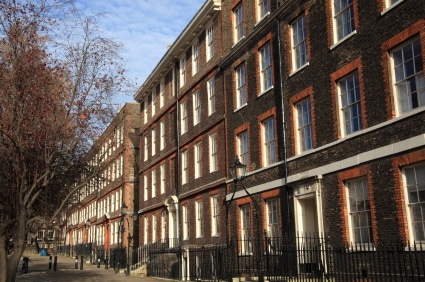
Inns of court: council seeking legal advice
The controversy brewing over faulty appointments to Bar disciplinary panels – and the impact this could have on the decisions they took over recent years – has taken a new turn as Legal Futures can reveal that a member of the Bar Standards Board (BSB) committee that referred cases to tribunals also sat on the independent body which appointed tribunal judges.
The Council of the Inns of Courts (COIC) – the independent body which oversees the Bar’s disciplinary cases – is now taking legal advice on the implications of this given that, in essence, it meant the prosecutor was also appointing the judges.
There is, however, no suggestion that this led to actual bias in any cases; concern focuses on the possible appearance of bias.
The issue first entered the public domain in March, when it emerged that around 80 current tribunal members had not been formally reappointed when their initial terms expired. Around 515 cases are affected by this, but the BSB believes there is a strong case to argue that the decisions remain valid.
We have learned that this will be examined on 29 June, when the Visitors to the Inns of Court – who handle appeals against Bar disciplinary tribunal rulings – will hear a test case over a disciplinary decision involving a time-expired member. Anthony Speaight QC of 4 Pump Court and Marc Beaumont of Windsor Chambers are acting for the appellant barrister.
A further 85 cases may be tainted because of tribunal members who had simultaneous membership of the COIC panel of tribunal members and of a Bar Council or BSB committee.
We can now report that an additional concern has emerged over the position of a barrister who the BSB has confirmed sat on its professional conduct committee between 1 January 2006 and 31 December 2011, and on COIC’s tribunals appointment body from 15 February 2007 until 2 February 2012.
COIC is an umbrella body currently being administered by Gray’s Inn. Under-treasurer Brigadier Anthony Faith told Legal Futures that COIC is seeking legal advice on the situation. It is not suggested that the barrister personally did anything wrong.
He added that defendant barristers in live cases have already been informed of the issues that have arisen – either directly or through their lawyers – and once all the facts of every case have been established, those involved in closed cases will be contacted, which should be early next month.
In 2005 the Visitors ruled in the case of Re P that a lay member of what was then, in pre-BSB days, the Bar Council’s professional conduct and complaints committee could not also sit as a member of a tribunal. The decision was rendered under the doctrine that no one must be a judge in his own cause, but the Visitors expressed the view that the doctrine of apparent bias also required the lay member’s recusal.
But former Bar Council chairman Desmond Browne QC, who was called in by COIC to investigate the appointments problem when it arose, told this website that he did not accept that the current situation was a Re P issue.












This arrogance is typical of the BSB