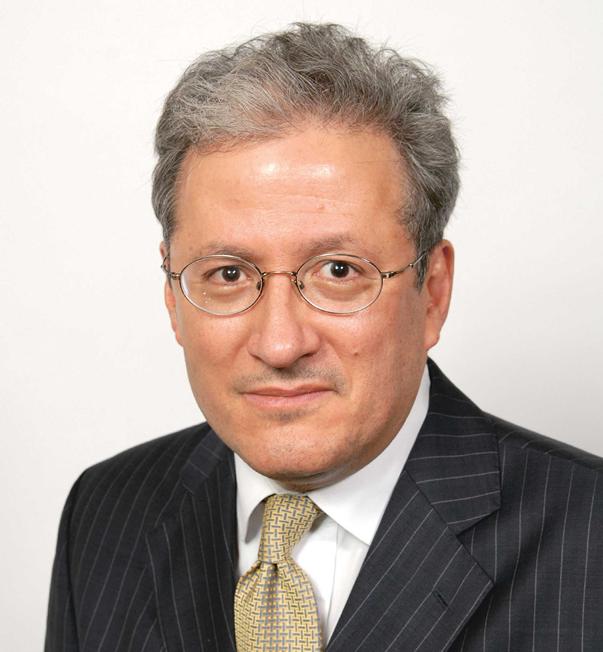
Lazar: tighter control of legal spend
An innovative London-based business law network is targeting employment law in a bid to expand its global client base.
Transatlantic Law International (TALI) has member firms made up of 3,500 lawyers in 80 countries around the world, with Reading firm Boyes Turner its English representative.
TALI – founded by former Tyco general counsel Erik Lazar in 2001 – has launched ‘Labor Law Plus’, an employment law service with full business law support so that it can handle associated issues such as mergers and restructuring.
Unlike other networks, TALI is the actual provider of the service. It claims that it can pull together specialists “in more countries than any other integrated [employment] law service” to offer clients a comprehensive single-source service.
It offers a centrally managed service with a single set of terms, and centralised billing and cost control.
Mr Lazar said the global employment law market was worth tens of billions of pounds.
Until now, he argued, it has been serviced primarily either by traditional law firms, loose law firm referral networks, or more recently by major US-based niche firms expanding internationally by opening offices overseas or forming alliances with other law firm groups.
He said: “By harnessing top-rate legal teams across multiple countries under one centrally managed global service system without the overhead and layers of traditional firms, we have shown that we can deliver global solutions more readily and achieve a tighter control of legal spend while providing faster and more effective service delivery, in a way that also relieves clients of the need to manage multiple legal relationships.”