Mayson: “expanded, more inclusive” notion is needed
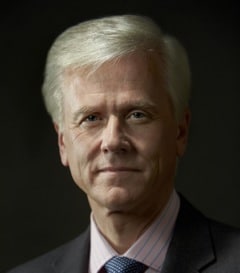
Client, consumer or customer – no single label can describe the relationship that now exists between people and their legal services providers, Professor Stephen Mayson has argued – having previously thought that it was a distinction without a difference.
“Increasingly, the totality of relationships that lawyers have with those who buy their services will have simultaneous elements of ‘client’, ‘consumer’ and ‘customer’,” he said.
“It will clearly not be helpful to have such a relationship characterised by just one of those labels with its implicit, but very different, assumptions about the nature and foundations of the relationship.”
Professor Mayson said that he had mulled over the distinction between ‘client’ and ‘consumer’ many times, but having given it sustained thought was “slightly surprised” at his conclusion.
Abandoning his former view that it was “largely a matter of personal preference (or prejudice)”, the professor said he now believes the distinction “really does matter”.
In a paper based on a speech he delivered last month at the University of St Gallen, Switzerland, Professor Mayson suggested that there was a need for an “expanded, more inclusive” notion of the relationship between lawyers and those they represent.
“We can no longer use only one label, with its traditional or current meaning, to describe the relationship. Perhaps we even need a new label to describe the modern, multi-faceted, inclusive relationship?”
He went on: “Clients’ expectations and experiences have changed. The historical lawyer-client relationship has been challenged – and found wanting.
“Labels signify different assumptions, expectations and power in the relationship. Clinging to traditional notions of the ‘lawyer-client’ relationship will not survive the world of the 21st century and its shifts in the balance of power between lawyers and clients.”
Professor Mayson warned that “over-emphasising the position and power of consumerism and transactional customers” would not help either and risked losing the “benefits of ‘responsible lawyering’ with its commitment to higher duties than merely oneself, one’s profession, or even (dare I say it?) to one’s clients”.
He concluded: “I used to think that the label didn’t really matter: whatever was going on was the same, whatever it was called. But I now think that it does matter.
“We need clarity and mutual understanding about the underlying relationship; but we also need to recognise that the modern conception of that relationship now needs to be more extensive, flexible and responsive than it has been so far.”