Grech: regulatory reform has enabled our growth
Slater & Gordon’s share price has bounced back after last week’s precipitous plunge following the Autumn Statement, with the law firm predicting that the reforms outlined by Chancellor George Osborne would not have a “material impact” on its core business.
At the end of trading in Australia, it was up 34% to 93c – although it started last week at A$2.65.
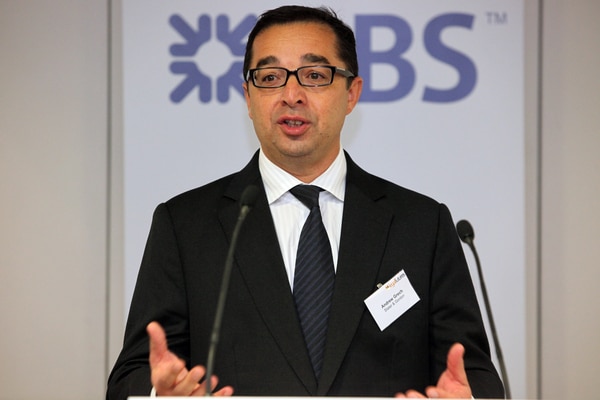
Group managing director Andrew Grech told shareholders: “Throughout our 80-year history, the company has gained unique experience in responding to regulatory changes when they occur. We have successfully done this on many occasions [in Australia].
“This is what we will do in the UK. Our growth has in no small part been enabled by the consolidating drive of regulatory reform.”
In a statement to the Australian Stock Exchange, Slater & Gordon reaffirmed that it expects to have fee income of A$1,150m (£550m) in its 2016 financial year (which ends on 30 June 2016), with earnings of A$205m.
It said the operating performance of Slater Gordon Solutions (SGS) – the renamed Quindell professional services division, which is heavily reliant on fast-track road traffic claims – “continues to improve”.
The firm said it was difficult to assess the impact of the government reforms on the 2017 financial year and beyond given the lack of detail at this stage, except that the end of general damages in whiplash would not happen until April 2017. “On that basis the full impact of any changes may well not have an effect during the course of the 2017 financial year.”
Mr Grech said the proposals were not expected to have a “material impact” on the firm’s core UK business, “given practice diversity and the profile of clients”.
He continued: “It is also important to note that the proposals (even if enacted in their current form) do not eliminate the right to claim compensation, or the opportunity for people injured in road traffic accidents to obtain advice and assistance with the claims process.
“While the impact of the proposed changes to SGS cannot yet be reliably estimated, nevertheless, in our view: demand for credit hire and repair services will be unaffected; medical reporting and rehabilitation services will continue to be sought by and for injured people; and SGS is well positioned to continue to be a leading provider of services to people who require legal and other assistance as a result of RTAs in the UK in the 2017 financial year and beyond.”