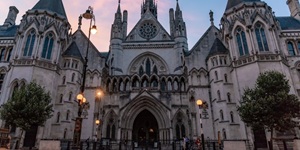
Inns of Court: having university educated parets is a big help in getting pupillage
Applicants for pupillage who are white, male, attended a fee-paying school or Oxbridge, or have parents who are educated to degree level are all more likely to succeed than those without such characteristics, Bar Standards Board research has found.
A comparison between the backgrounds of pupillage portal applicants in 2009 and registered pupils in 2011 showed, for example, that while 26% of applicants were from a black or minority ethnic background, only 14% of pupils were.
The trends were similar across the key characteristics – 12% of applicants went to Oxford or Cambridge, compared to 35% of pupils.
The figures indicated that those with families more able to fund their legal studies were more successful. Some 16% of applicants said they expected to have no debt at the completion of their pupillage, compared to 26% of pupils. At the other end of the scale, 22% of applicants anticipated debts of over £30,000, as opposed to 12% of pupils.
Those with a first-class degree were significantly more likely to gain a pupillage – 14% of applicants and 37% of pupils.
The report said there were some limits to the data, adding: “It would be wrong to conclude that the typical pupil is a white male who took a first-class honours degree, attended a fee-paying school and an Oxbridge university and has university-educated parents, but rather than each of these individual characteristics considered on their own is more prevalent in the pupillage population in comparison to the applicant population.”
In its response to the report, the Bar Council said it is committed to widening access to the profession “and considerable efforts have been made to address the ongoing challenges in this area”.
This includes training to chambers so that they are better able to identify potential candidates from diverse backgrounds and it will be publishing an online guide on fair recruitment methods that will become an obligatory training guide for all members of chambers involved in selecting pupils.