Faux: can become “very awkward” to work without a solicitor
A barrister and solicitor have chosen the Bar Standards Board (BSB) to regulate their niche firm that specialises in defending teachers and other professionals in disciplinary actions. It is understood to be the first firm consisting of a barrister and solicitor to become a BSB entity.
Barrister Andrew Faux told Legal Futures that the BSB was “very approachable, helpful and keen to encourage the application”.
He went on: “The interesting thing is that now we have an option as to who regulates us. We did not comparison shop, but because the BSB is new to this, they’re enthusiastic about what they’re doing and the application process was straightforward.
“The impression I get is that the Solicitors Regulation Authority’s systems are more developed and burdensome.”
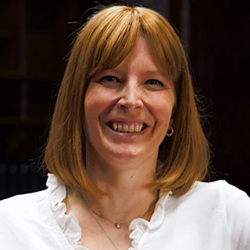
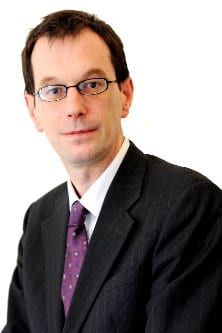
The new firm is called The Reflective Practice and registered with the BSB as TRP Ltd. It consists of Mr Faux and Colin Henderson, a solicitor with a background in education law and judicial review work.
Mr Faux said that the firm’s indemnity insurance, provided by Bar Mutual, was “very competitive” compared to the cost of setting up a solicitors’ firm, and the fact the firm was not handling client money reduced the risk.
Mr Faux said both he and Mr Henderson would be based at home offices, but he would remain a member of Cornwall Street Chambers in Birmingham.
“The chambers is keen to accommodate this as a new way of working. Chambers have different approaches but this one welcomes people who are trying to innovate.”
Mr Faux said he had a direct access licence and had dealt with direct access clients, but was obliged to consider whether the nature of the work needed the assistance of a solicitor.
“It can become very awkward to work without a solicitor. As a firm, we can work with anyone, outside the direct access rules.
“I’m very interested in trying build a brand and, when I stop work, I want to leave something. Solicitors can sell their stake in a practice. Barristers just leave and their practices die with them.”
Mr Faux said he did not expect TRP to expand this year, as both lawyers were “incredibly busy” with cases resulting from the Department of Education’s investigation into the Birmingham ‘Trojan Horse’ schools.
“The setting up of the firm happened when we are both incredibly busy, to the extent that the next phase of business development is on hold,” he added. “However, we would like to build a boutique law firm which grows by word of mouth.”
Mark Johnson, a former partner at Geldards, became the first solicitor to set up a BSB-regulated firm, Elderflower Legal, in April.