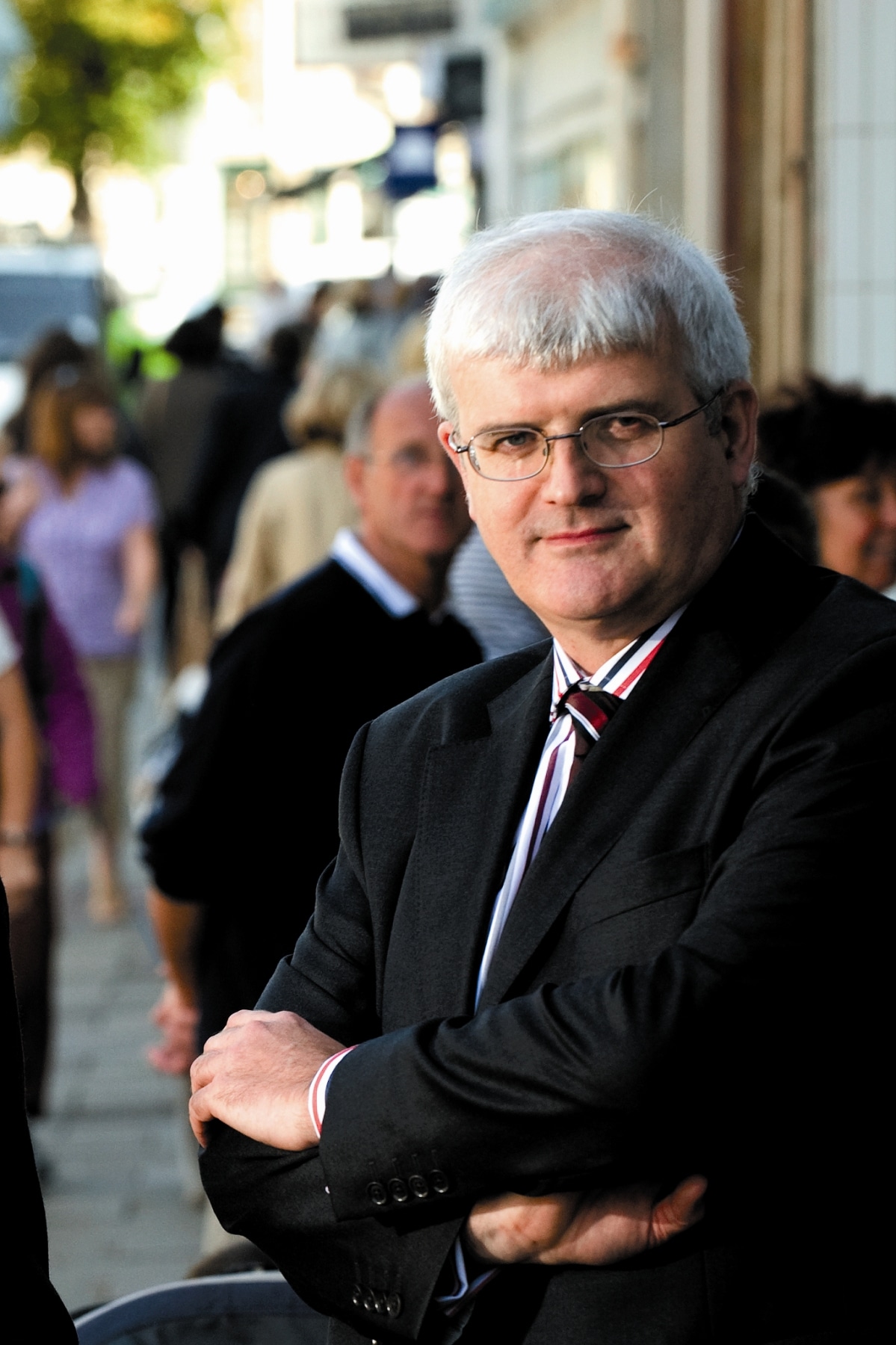
Hunt: creating a market in Everyman shares
The first law firm with individual non-lawyer investors has been granted its alternative business structure (ABS) licence.
Everyman Legal – which both employs lawyers at its Oxfordshire base and has developed a network of home-working solicitors around the country – has six private investors who will shortly become shareholders of the firm, which specialises in acting for entrepreneurs.
Though three firms with external investment – Parabis, Knights and Keoghs – have already received their ABS licences, all received their backing from large private equity companies.
Everyman made waves in October 2011 when it announced plans to list on junior stock exchange Sharemark. Founder James Hunt told Legal Futures that while this is still the intention, the move was put on hold while the firm developed a new strategic focus of targeting owner-managers with a proposition that will help them grow and eventually exit their businesses.
Given that in time he may also want to raise more equity to expand the firm, or offer share incentives to staff, a listing on Sharemark remained necessary to create a “market” in Everyman shares, Mr Hunt explained. However, there is no timetable for the listing.
The investors are people Mr Hunt said he has known for some years. “They were attracted by a big market with opportunities to grow a valuable company,” he said.
Also among the sudden flow of new ABSs are firms that have converted because they are already legal disciplinary practices (LDPs).
Andy Duxbury, chief executive of Chester firm Aaron & Partners, is one of two non-lawyer partners at the firm. He said that while there are no particular plans to use the ABS status, he was “very mindful of the opportunities [and it] gives us flexibility for the future should we wish to expand”.
James Matthews, a partner at Kent firm Tassells, said: “We’re not looking for private equity. It’s a fluid situation and I suppose [the ABS] might lead us to be in a more favourable position in the future but we are not planning to do anything for now.”
John Dickerson, a non-lawyer partner and practice director at Anderson Longmore & Higham with Bevis Rowntree in West Sussex, said: “At the moment we have no plans to explore other business opportunities. It’s just a straight change from LDP to ABS and we’ll continue as a partnership for legal services.”
Some of the firms expressed unhappiness with the speed of the application process. Mr Hunt observed that “it was a little slower than we might have liked”, while Mr Matthews said: “We found a little bit of right hand not knowing what the left was doing and the application process is elaborate to an extreme degree. But apart from that we didn’t find it that difficult and they were pleasant to deal with.”
Mr Dickerson added: “It has taken me virtually a year to get the ABS licence, though… It was very slow; [the application] tended to go to sleep for a couple of months and I had to kick it really to get it going again.
“Once I actually got a name, someone whom I could e-mail and talk to, I was fine and it did really move quite quickly, but it took a long time to find [that] someone.”