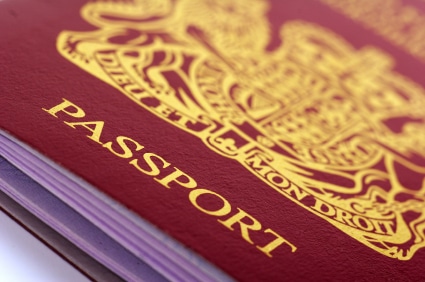
 Q. I signed a declaration for a passport application for a former client who told me that he had lost his previous passport. Some weeks later, the Passport Office sent me a copy of the application, asking me to confirm that the signature on the photograph was mine. In fact, the photograph was of someone different and my signature has been forged. Am I allowed to inform the Passport Office of the true position?
A. Yes. When you countersign a passport application for a client, it is on the basis that queries may be raised by the Passport Office at a later date and that the solicitor must be authorised to deal with them. In doing so, you will not be in breach of the duty of confidentiality to your client.
Even in circumstances where a duty of confidentiality would normally prevent you from disclosing information, this duty would be overridden if there is strong prima facie evidence that the client has attempted to use you as an instrument of fraud (see rule 4, guidance note 16 of the Solicitors’ Code of Conduct 2007).